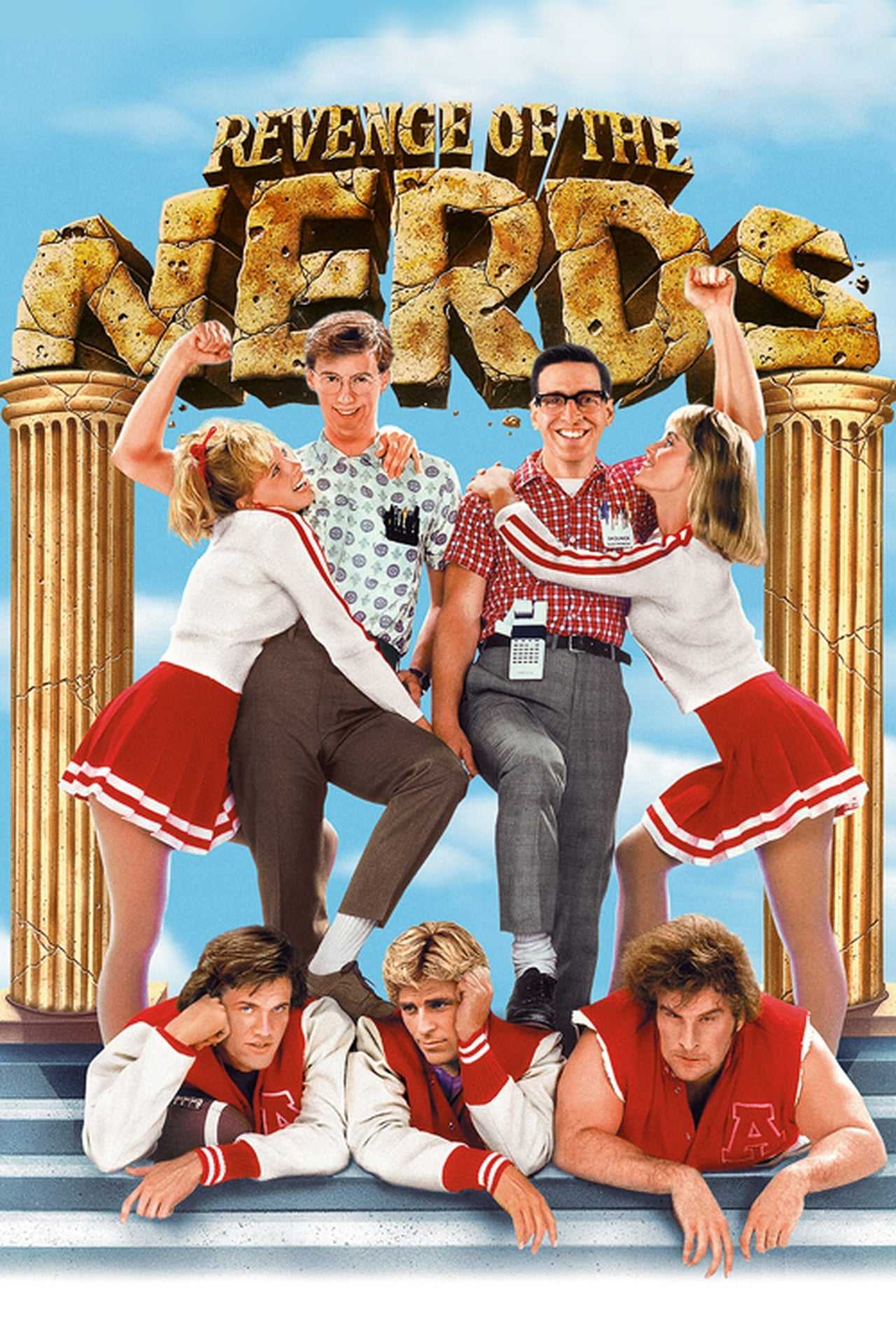
The cultural landscape of the 1980s was a fertile ground for cinema that has since become emblematic of the decade, yet many of these films present challenges when revisited today. This piece delves into the complexities of enjoying these classics through a contemporary lens, weighing their historical significance against present-day sensibilities. The iconic teen comedy *Sixteen Candles* is often celebrated for capturing the essence of adolescence in the 1980s. However, upon reflection, the film's treatment of sensitive topics such as non-consensual situations is now seen as deeply problematic. The humor derived from these scenarios, once considered light-hearted, now raises significant ethical concerns. *Weird Science* similarly reflects the era's fascination with technology and youthful rebellion. Yet, its portrayal of gender dynamics and the objectification of women clashes with today's understanding of equality and respect. The film's intentions may have been to entertain rather than offend, but the execution falls short of modern standards. *Revenge Of The Nerds* tells the story of outcasts seeking retribution against their tormentors. While the narrative might seem straightforward, its underlying messages can be interpreted as endorsing questionable behavior, thus undermining any positive lessons it might impart. *Porky's* depiction of women in the 1980s is perhaps one of the most glaring examples of outdated attitudes. The film's reliance on voyeurism and sexualization of its female characters is not only offensive but also indicative of broader societal issues that have since been widely criticized. *Tron* (1982) is often lauded for its pioneering special effects and imaginative world-building. Nonetheless, its portrayal of digital beings as mere objects for human use reflects a lack of empathy that seems incongruous with current values surrounding AI and virtual entities. *Flashdance* captivated audiences with its blend of music and movement but also perpetuated stereotypes, particularly regarding the objectification of the lead actress. The film's legacy is thus tarnished by its failure to offer a more nuanced portrayal of its protagonist. *Soul Man*'s use of blackface is a stark reminder of the insensitivity that was once more commonly accepted in Hollywood. The film's attempts at humor are deeply flawed when viewed through the lens of contemporary awareness and the ongoing conversation about race and representation. *National Lampoon's Christmas Vacation* remains a holiday favorite for many, yet its humor and family dynamics can seem out of step with today's more inclusive and diverse celebrations. The film's charm lies in its ability to evoke nostalgia, but this comes with the responsibility to acknowledge its dated perspectives. In reassessing these films, it's crucial to balance appreciation for their historical context with critical evaluation of their content. While they may still offer entertainment value, viewers are encouraged to engage with them thoughtfully, recognizing both their artistic achievements and their limitations. RATING: 8.0/10 RUN TIME: Varies by film WHERE TO WATCH: Streaming options and rental opportunities are widely available, making these classics accessible for new generations to explore—with the appropriate critical eye.
Revisiting Classic 80s Films: A Modern Perspective on Nostalgia and Representation
By Isabella Bartlett