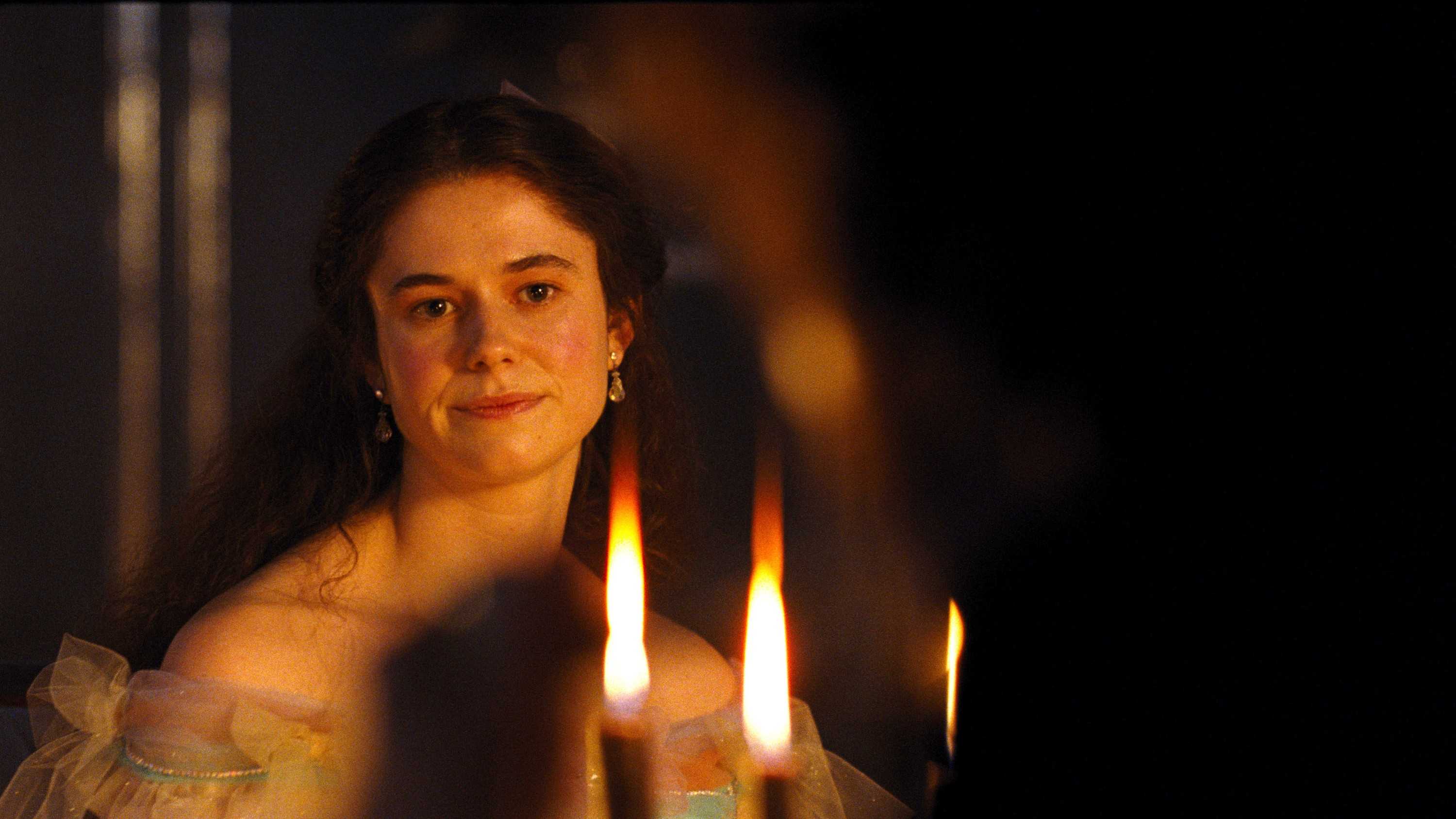
Amidst the ever-evolving landscape of digital entertainment, a classic tale has risen to unprecedented heights on HBO Max, captivating audiences worldwide. The film's meteoric rise to the top of streaming rankings across numerous countries marks a remarkable comeback for a story steeped in literary history.
Originally penned by Emily Brontë in 1847, Wuthering Heights has transcended its origins to become a cultural phenomenon, bolstered by compelling performances and timely relevance. Its recent adaptation, featuring a star-studded cast including Jacob Elordi and Margot Robbie, has breathed new life into the timeless narrative, drawing both longtime fans and curious newcomers to the platform.
The movie's strategic release during the Valentine's Day weekend, coupled with an impactful promotional campaign, set the stage for its theatrical success. With an opening weekend gross of $32 million domestically and an impressive $84 million overall, the film proved its commercial viability. Yet, it was the subsequent surge in international markets—generating an additional $157 million—that solidified its status as a global streaming juggernaut.
Critics and viewers alike have praised the film's ability to balance faithful adaptation with innovative storytelling. Director Emerald Fennell's vision, paired with the magnetic chemistry between Elordi and Robbie, has reinvigorated interest in the complex dynamics of Heathcliff and Catherine. This renewed enthusiasm extends beyond the screen, inspiring discussions about representation and interpretation in modern adaptations.
Beyond its artistic merits, the film's financial performance underscores the power of nostalgia combined with contemporary marketing strategies. By leveraging the enduring appeal of Brontë's masterpiece and capitalizing on star power, HBO Max has crafted a rare case study in successful content resurgence.
As audiences continue to flock to streaming platforms seeking quality entertainment, Wuthering Heights stands out as a testament to the lasting impact of great storytelling—and how it can be revitalized for new generations through thoughtful reinterpretation.
