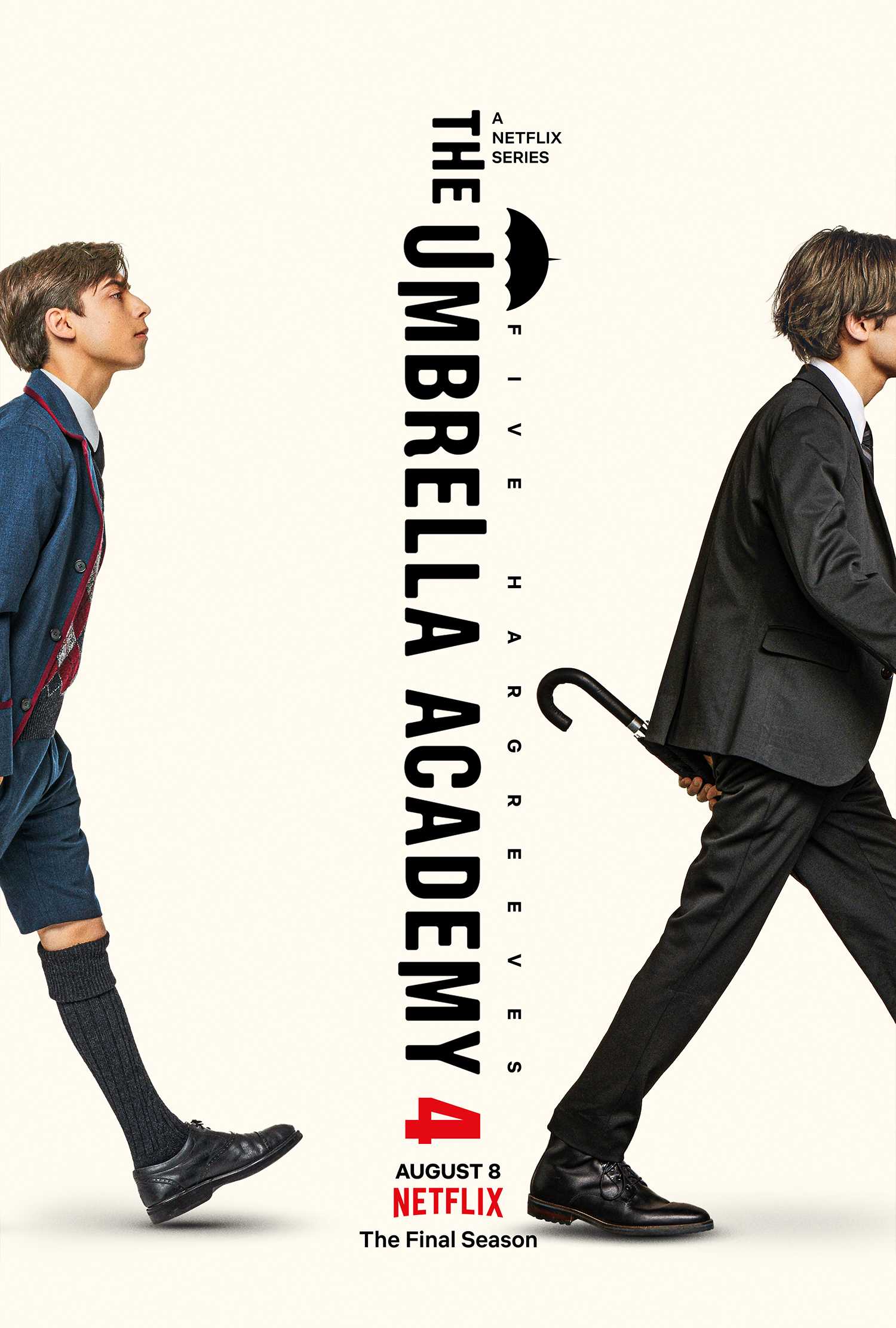
Published on April 9, 2026, this analysis explores the intricate storytelling surrounding time travel in Netflix's acclaimed series The Umbrella Academy. The show, crafted by writer Adrienne Tyler, draws inspiration from comic books and delivers a rich tapestry of character-driven drama intertwined with complex temporal mechanics.
From the outset, the series establishes a pattern of time manipulation as central to its plot, featuring the Hargreeves siblings' unconventional abilities and their quest to avert global catastrophes. The narrative brilliance lies in its ability to balance scientific theory with emotional depth, making each temporal shift both intellectually stimulating and deeply personal.
The first three seasons excel at presenting time travel not as a mere gimmick, but as a narrative device that shapes character arcs and drives the overarching storyline. Viewers witness how small changes ripple across timelines, influencing outcomes in ways both subtle and profound. This approach transforms what could have been a convoluted concept into an accessible and gripping saga.
By season three, the show demonstrates mastery in weaving together cause and effect, illustrating how understanding the rules of time travel empowers the characters to confront existential threats while grappling with their own identities. The careful pacing ensures clarity amid complexity, inviting audiences to engage actively with the unfolding mystery.
Ultimately, The Umbrella Academy proves that effective time travel storytelling requires more than flashy effects—it demands thoughtful integration into the fabric of character development and thematic exploration. While later seasons may falter in maintaining this standard, the initial trilogy stands as a testament to what television can achieve when imagination meets disciplined craftsmanship.