Published on April 24, 2026, at 3:45 PM EDT, this article delves into the nuanced narrative of Mother Mary, focusing on the fraught yet compelling connection between its central figures.
The story centers on Mother Mary, a former pop sensation preparing for a high-stakes comeback, while simultaneously unraveling the emotional fallout of her estrangement from Sam Anselm, her trusted confidante turned costume designer. Their fractured bond, laden with unresolved history, becomes a poignant backdrop against which the film examines themes of artistic integrity, personal sacrifice, and the blurred lines between public persona and private truth.
Director David Lowery crafts a narrative rich in metaphor, using the contrast between intimate character moments and grand musical performances to mirror the duality of fame—its allure and its isolating weight. Lowery emphasizes that the tension between Mary and Sam isn't merely plot-driven; it’s a reflection of the creative friction inherent in collaborative artistry, where ambition and vulnerability collide.
In interviews, Lowery reveals his deliberate choice to leave certain conflicts unexplained, allowing audiences to sit with the ambiguity of human relationships. He notes that the film prioritizes the *process* of creation over biographical precision, inviting viewers to ponder how art both reveals and obscures reality. The soundtrack, co-created with artists like Jack Antanoff and FKA Twigs, further anchors the story in contemporary soundscapes, amplifying its emotional resonance.
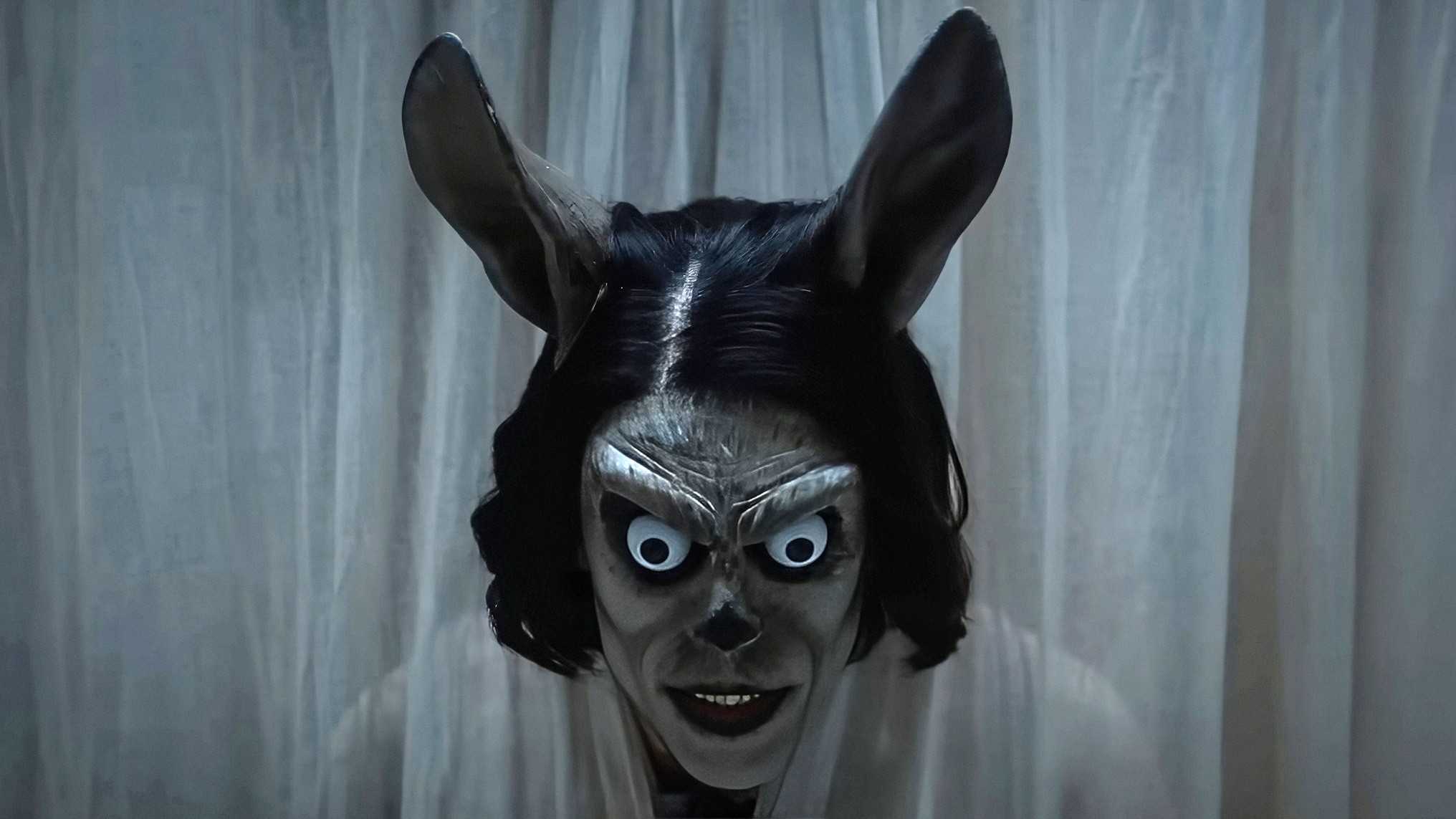
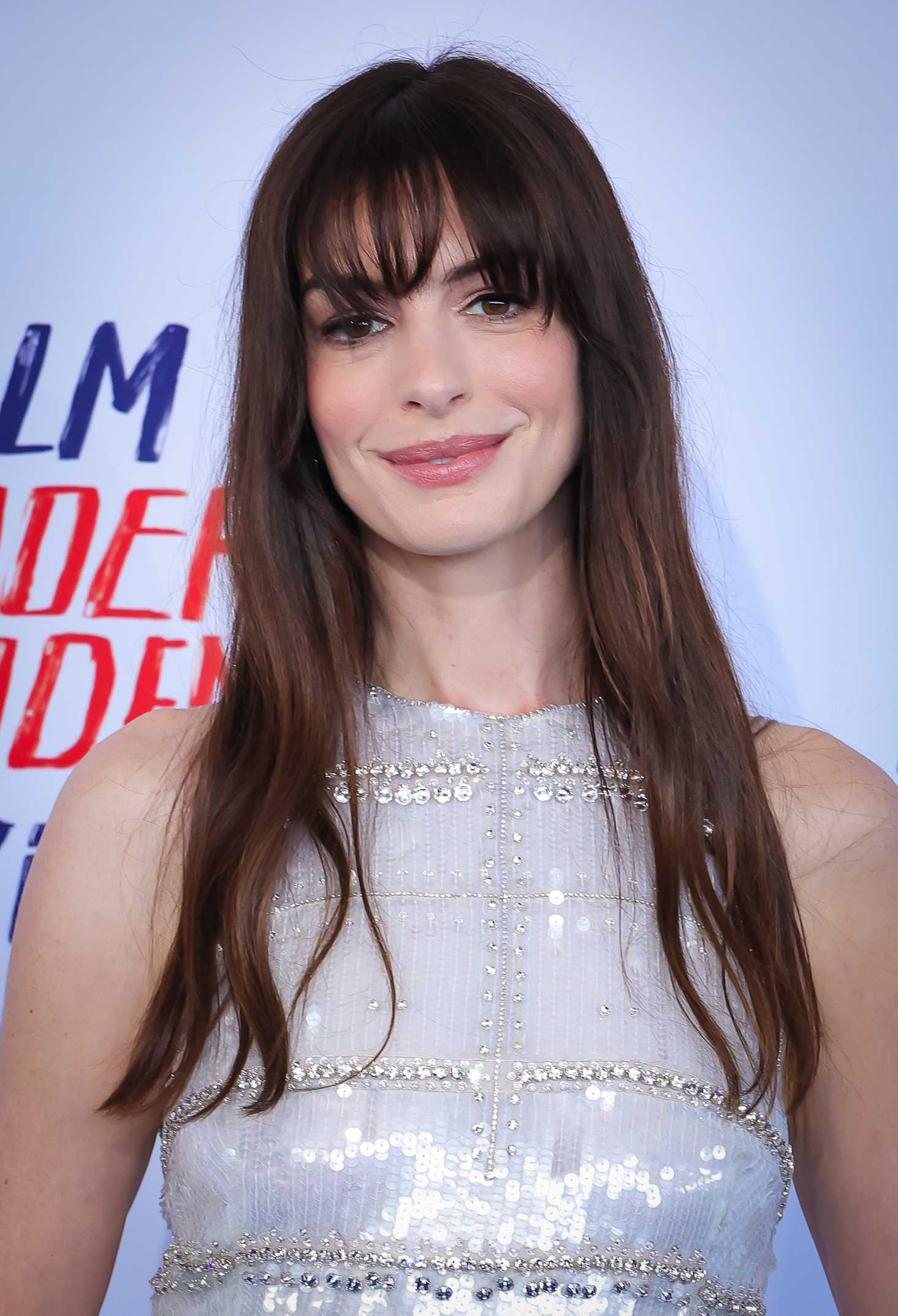
Balancing the film’s scale—from intimate dialogue scenes to stadium-sized concerts—required meticulous visual planning. Lowery collaborated closely with designers to ensure consistency across tonal shifts, proving that even background elements contribute to the overarching theme of duality. With Anne Hathaway delivering a standout performance as the aging star, the film positions itself as both a character study and a commentary on legacy.
Ultimately, Mother Mary transcends typical biopic conventions, offering instead a meditation on what it means to reinvent oneself while grappling with the ghosts of past connections. Its 112-minute runtime feels both expansive and intimate, mirroring the protagonist’s journey toward self-acceptance amid external pressures.