Published on May 15, 2026, this discussion delves into Christopher Nolan’s forthcoming adaptation of The Odyssey, examining the intersection of historical fidelity and creative interpretation in epic cinema.
From childhood exposure to tales like Braveheart to personal nostalgia for The Odyssey, my connection to mythic narratives runs deep. Nolan’s approach challenges conventional expectations by prioritizing emotional resonance over rigid adherence to historical records.
The film’s premise sparks debate among audiences, yet these disagreements often blur the line between genuine critique and performative contrarianism. While some question artistic choices, such as casting decisions or period-accurate attire, these elements serve the larger goal of immersive storytelling rather than mere documentary precision.
Beyond Factual Correctness: The Power Of Mythic Adaptation
Historical accuracy should not be the sole benchmark for evaluating epic retellings. Films like Gettysburg demonstrate that meticulous detail can coexist with narrative pacing, yet even these productions inevitably simplify complex realities. The essence of The Odyssey lies not in its literal events but in its exploration of human resilience, identity, and transformation—themes that transcend temporal boundaries.
Consider Braveheart: its blend of documented history and poetic license created a cultural touchstone precisely because it resonated emotionally. Similarly, Oppenheimer balances scientific rigor with psychological introspection, proving that authenticity thrives in multidimensional portrayals rather than strict chronology.
Artistic Vision Over Archaeological Precision
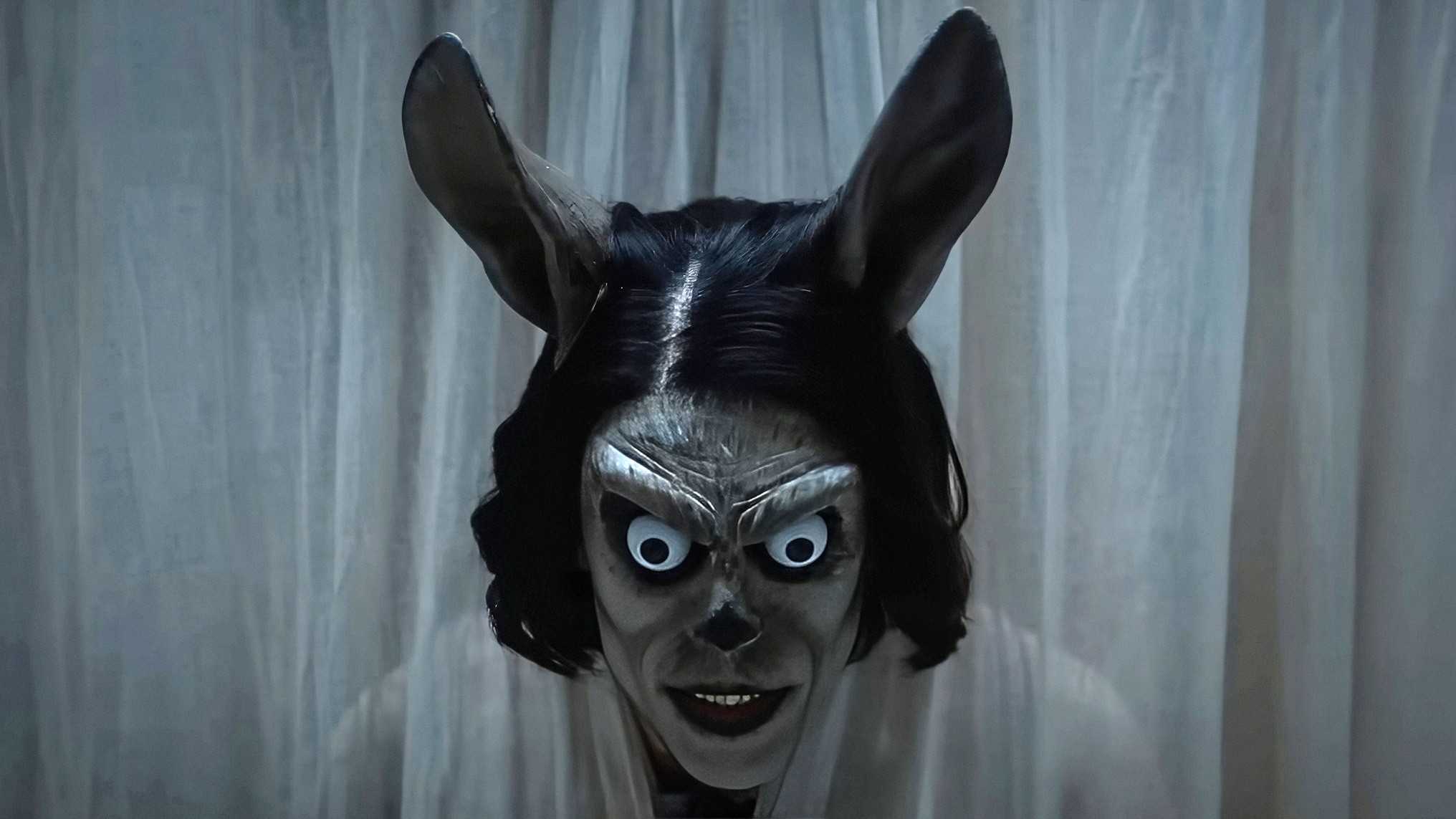
Nolan’s reputation for technical mastery and narrative ambition positions him uniquely to reinterpret ancient texts. Casting choices—such as Matt Damon as Odysseus or Robert Pattinson’s brooding Antinous—reflect deliberate efforts to humanize mythic figures while maintaining visual grandeur. These decisions prioritize relatability over replication, inviting viewers to engage with timeless archetypes through contemporary lenses.
Criticism often overlooks how cinematic language itself shapes perception. Camera angles, score composition, and editing rhythms construct meaning beyond textual sources. When Pattinson’s portrayal of Antinous radiates quiet intensity, it amplifies the character’s existential conflict without needing verbatim dialogue from Homer’s verse.
Legacy And Expectation In Modern Adaptations
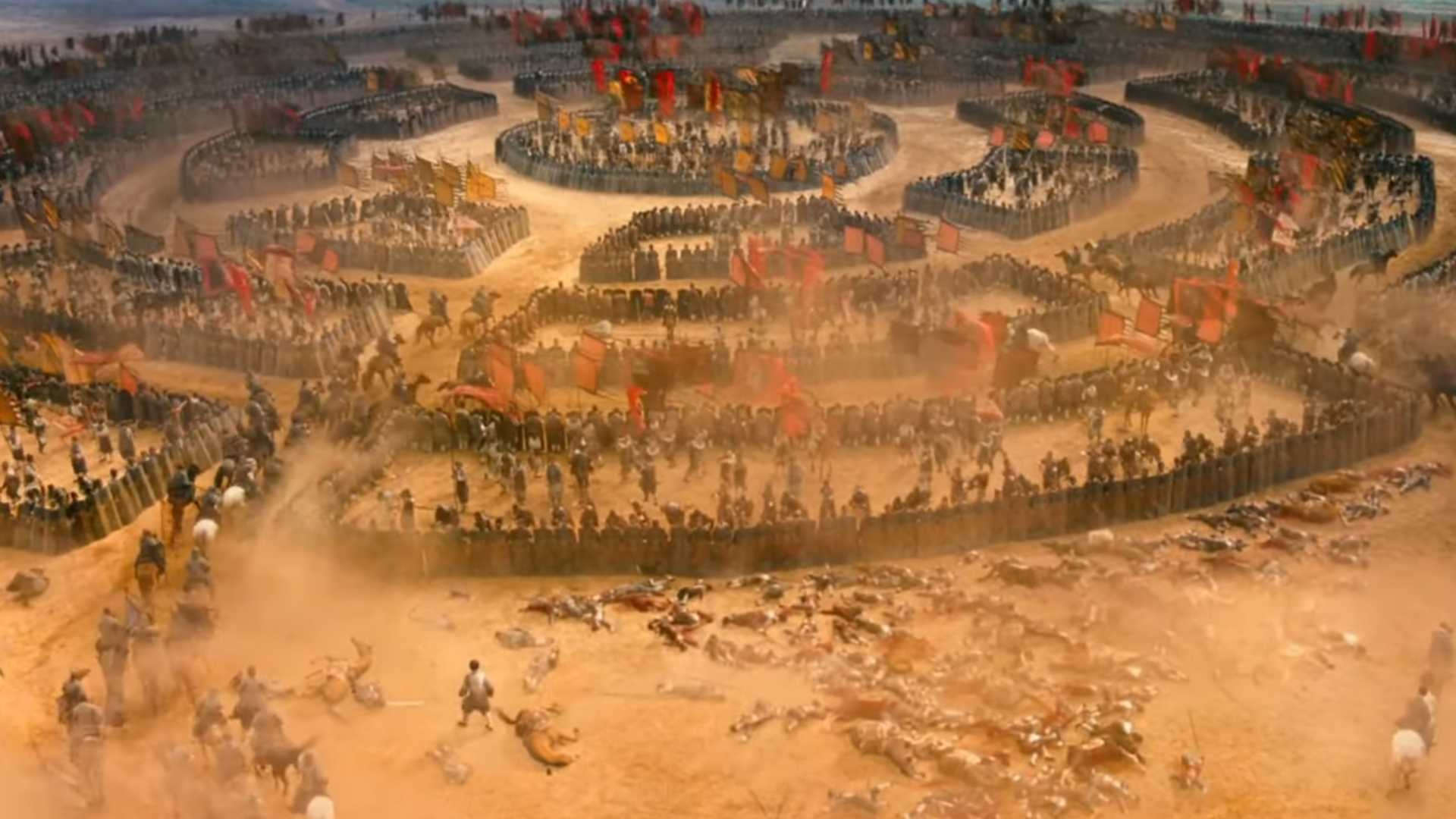
Audiences approach historical epics with dual desires: intellectual curiosity about the past and visceral enjoyment of spectacle. Nolan navigates this tension by embedding universal struggles within visually arresting sequences. The Trojan War’s depiction, though stylized, captures primal fears of loss and ambition—emotions as relevant today as they were millennia ago.
Moreover, casting decisions spark discourse precisely because they challenge preconceived notions. When Lupita Nyong’o joins a cast featuring Oscar-worthy talent, viewers anticipate layered performances that defy stereotypes, enriching the narrative’s cultural significance.
Ultimately, The Odyssey endures because it asks enduring questions about homecoming, identity, and perseverance. Any film adaptation must honor this spirit, using creative freedom to illuminate truths hidden beneath layers of time and tradition.
Image credit: Matt Damon as Odysseus in The Odyssey
For deeper insights into Nolan’s directorial philosophy and its implications for modern cinema, subscribe to our newsletter.