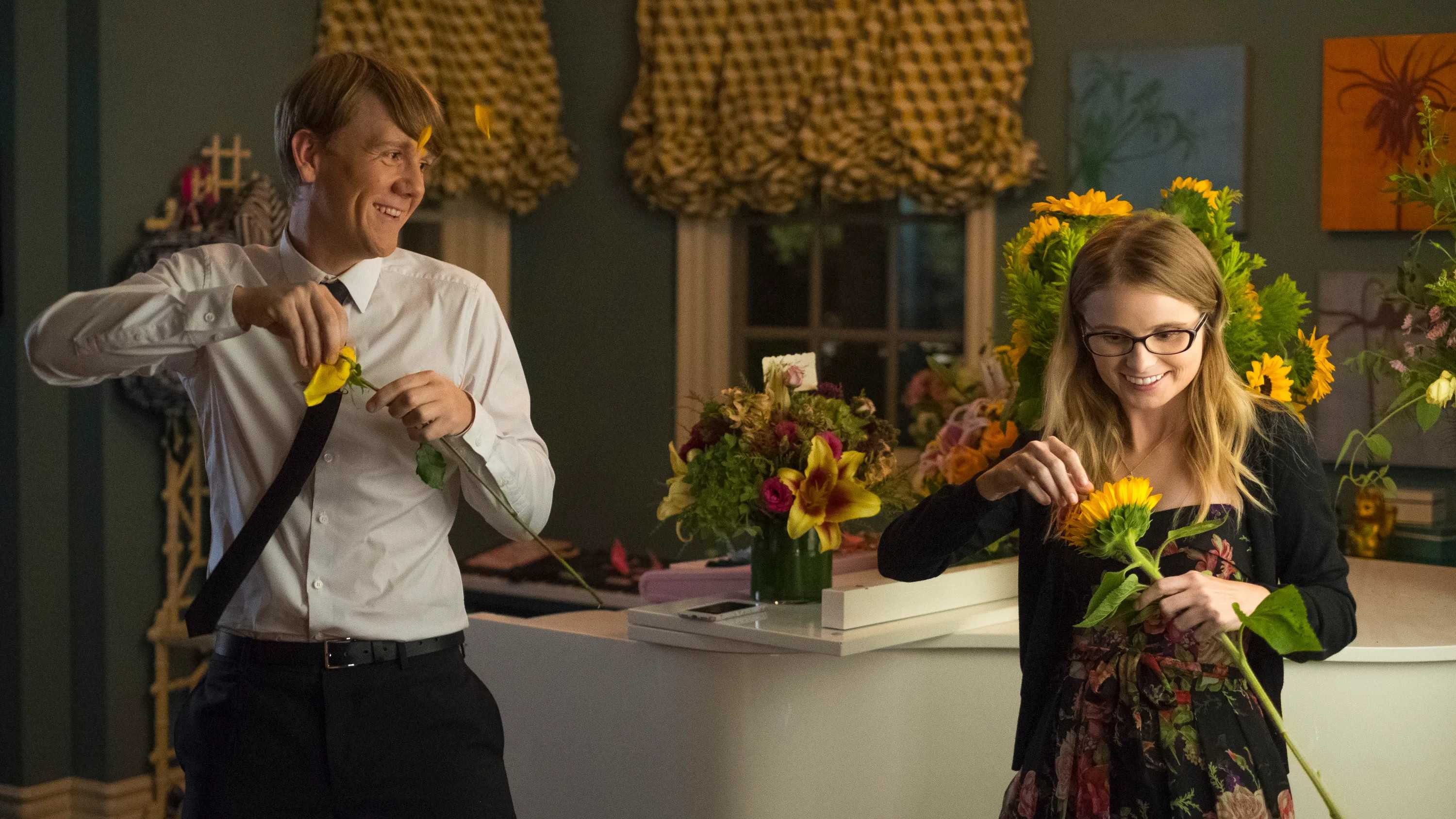
Throughout the decades, sitcoms have offered viewers a window into the evolving dynamics of American family life and societal norms. From the early days of The Goldbergs, which captured post-war optimism, to contemporary masterpieces like Community, these programs reflect shifting values and humor styles.
Arrested Development revitalized the genre with its intricate narrative structure and razor-sharp wit, proving that layered storytelling could coexist with classic physical comedy. The show’s revival cemented its status as a modern classic, influencing countless imitators.
All in the Family broke ground by confronting real-world issues head-on, using satire to challenge stereotypes and spark conversations about race, gender, and politics. Its legacy endures in shows that tackle social commentary with humor.
Community redefined ensemble casting by blending meta-commentary with genre parody, inspiring a wave of shows that embraced self-awareness and creative risks. Its "Darkest Timeline" episode remains a benchmark for inventive writing.
The Fresh Prince of Bel Air combined relatable family struggles with vibrant cultural representation, becoming a global phenomenon that bridged generational gaps. Will Smith’s charismatic performance turned the series into an enduring symbol of joyful resilience.
Roseanne brought raw authenticity to prime-time television by depicting the unfiltered lives of working-class Americans. Its fearless exploration of socioeconomic challenges paved the way for more honest portrayals in later series.
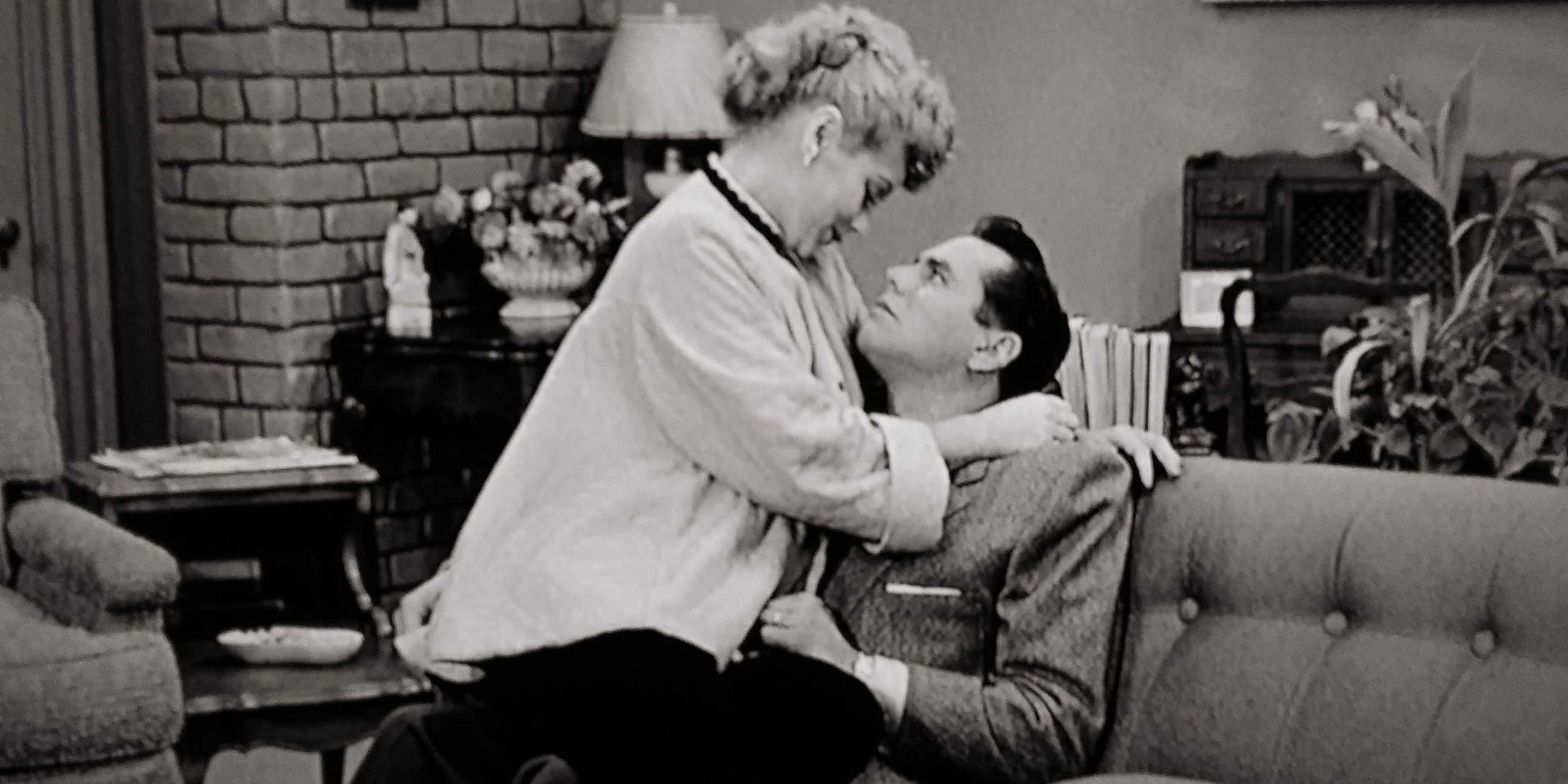
I Love Lucy set the standard for comedic timing and physical humor, remaining beloved for its timeless charm and groundbreaking use of multi-camera setups. The show’s influence permeates every corner of modern sitcom craftsmanship.
MASH transformed wartime drama into absurdist comedy without diminishing its emotional core. Its blend of melancholy and levity created a template for balancing heavy themes with humor.
Modern Family revitalized the family sitcom format through innovative mockumentary techniques and diverse perspectives on kinship. The series demonstrated how contemporary storytelling could honor tradition while embracing change.
The Simpsons achieved cultural ubiquity through relentless creativity and satirical insight. As television’s longest-running scripted series, it continues to skewer societal trends while maintaining affection for its fictional town of Springfield.
Friends defined 90s pop culture with its witty dialogue and ensemble chemistry. Though criticized for its lack of diversity, the show’s universal themes of friendship and belonging secured its place in collective memory.