By Published Apr 7, 2026, 9:49 AM EDT James is a gaming writer from London who has spent thousands of hours exploring titles from every genre. Though he has a particular affinity for multiplayer titles like World of Warcraft, Destiny 2 and League of Legends, he has also put thousands of hours into single-player experiences, from deep RPGs to epic PC strategies. When he's not playing or writing, he can usually be found supporting his beloved Brentford FC. Summary Generate a summary of this story follow Follow followed Followed Like Like Log in Here is a fact-based summary of the story contents: Try something different: Show me the facts Explain it like I’m 5 Give me a lighthearted recap
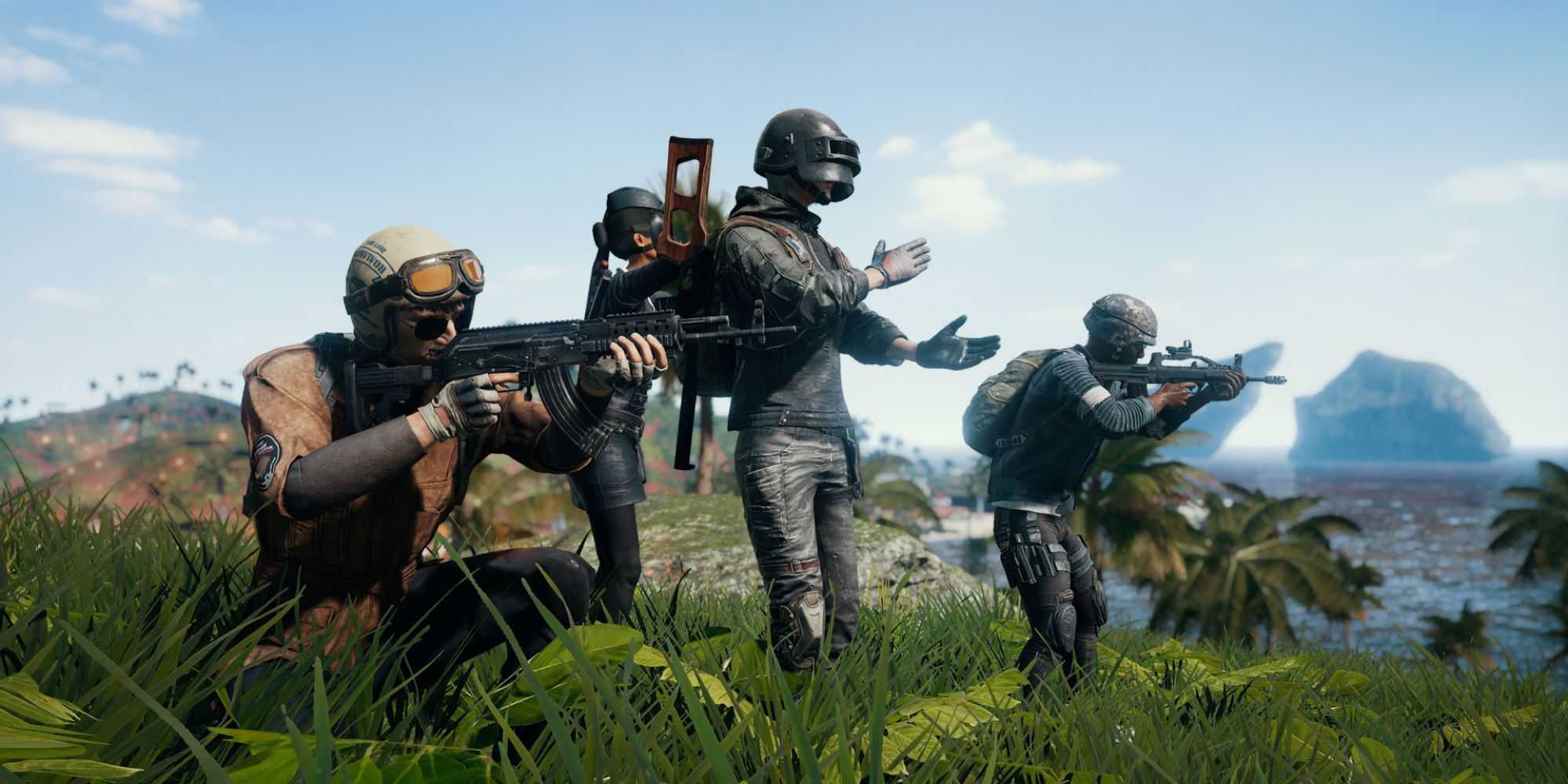
Few games have ever quite hit the proverbial water in the same way as did when it first dropped back in 2017. The game pulled in a ridiculous 3,257,248 concurrent players on Steam in January 2018, a record that still stands, and it continues to get up to a million or so all these years later, depending on what time of day you login and check.
Now officially known as , the game pioneered the battle royale genre and has done well to remain so relevant in what is an increasingly crowded field. As it passes its ninth birthday, Krafton and PUBG Studios have big plans, with conversations around PUBG graduating far beyond just being a game, and approaching something much more akin to a -esque platform.
The fact is that remaining popular in today’s video game market is no easy task, and there has to be a certain amount of both evolution and revolution to keep things ticking along. As part of that, the franchise now looking to the future to ensure that it remains, at the very least, as popular as it has been for these first nine years. Following ScreenRant's visit to Seoul to see what PUBG has coming up, there’s one area where it's clear that the team should redouble its efforts to continue growing in popularity across all major regions.
Esports Is Crucial To PUBG’s Future

Esports are a curious beast in a lot of ways, somehow remaining immensely popular while at the same time almost always seemingly on the brink of financial collapse. At the very top level, there’s big business going on all the time.
By most metrics, is the most popular Esport globally (if we ignore Mobile Legends: Bang Bang, where most of the popularity is concentrated on one region), attracting millions of viewers around the world who tune in to support those representing their region. The top leagues require teams to have millions of dollars in funding to pay for access to their regional league, and to give a hefty salary the best players around. Below that level, there are hundreds of teams globally in tier two leagues and below who are constantly fighting for their very existence, without much of a plan for how to stabilize the foundations.
PUBG Esports is already in a pretty healthy place in its own right, ranking as the 10th most-watched at the time of writing (according to EsportsCharts.com), with an annual prize pool of around $7 million. Interestingly, if you look at the underlying statistics, after a lull in the early 2020s, the game really came back in a big way in terms of viewership, peaking at 511,000 in 2026 (up from 264,000 in 2026), before jumping forward in a big way again and topping out at 818,000 for the PUBG Nations Cup 2026, a new all-time record for the game.
It’s a massive sign that the appetite is there, and in a world where it’s increasingly difficult for a game to stand out amongst the competition, Esports has to serve as the backbone of the franchise moving forward.
PUBG Is Made For High Level Competitive Gaming

Even if we don’t look past the concept of the game itself, there’s plenty of proof that Esports should be the cornerstone of PUBG’s future moving forward. The core feature of the game, being the last person/team standing, lends itself to regularly creating moments of extremely high tension.
Games like League of Legends and can often be complete stomps one way or another, in the regular season especially, but there is considerably more potential for a game like PUBG to spring a major surprise on a match-to-match basis. That’s not to serve as a criticism of either of the other two games, which are hugely thrilling to watch and enjoy in their own right, but much more to show that if those behind PUBG can sell that element of chaos to Esports viewers who are looking for a home, they’re almost certainly onto a huge winner.
Subscribe to our newsletter for PUBG and esports insights
Curious about PUBG's esports future? Subscribing to our newsletter means in-depth coverage and thoughtful analysis of PUBG’s competitive scene, platform ambitions, and the gaming trends shaping how big titles evolve. Get Updates By subscribing, you agree to receive newsletter and marketing emails, and accept our and . You can unsubscribe anytime.
Toeing the line between catering for casual players and a pro scene that’s increasingly popular with each passing year is a difficult one, but it can be done, and it almost certainly should be done if PUBG is looking to maximize its popularity moving forward.
It can also serve as the ideal launchpad that stops them from having to differentiate too much in their strategy between regions. Regular international competition has proved to be the best way to integrate what would otherwise be somewhat separate multiplayer communities, due to differences in language and other technical factors like latency. Being a global phenomenon requires consistent popularity around the world, and Esports is one of the safest bets PUBG has for securing that position moving forward.
Will they go for that approach, and will it work? Time will tell. But with Esports leading the way forward for the game over the last year or so, PUBG could do a lot worse than betting its future on drawing in regular viewers to watch the highest level of play.

Battle Royale Expand Collapse
Follow Followed Like Share Close Trending Now